Ask a New York restaurant owner about their linen and most will talk about tablecloths and napkins. Ask a line cook and they will tell you about the chef coat they have been wearing for three shifts because the one they washed at home did not dry in time. Staff uniforms are the piece of the linen picture that most often gets left to chance, and the results tend to show up in the kitchen, on the floor, and in your reviews.
This post looks at why chef coats, aprons, and other staff garments belong in the same pickup-and-delivery program as your table linen, and what changes when you make that move.
The Problem With Home Laundering
The default approach in many restaurants is to hand out a couple of coats or aprons per employee and expect them to wash their own. In practice, this creates a handful of predictable issues:
Inconsistent results. One cook’s coat comes back bright white, another’s comes back gray, and a third never quite loses the grease smell.
Shortages. Staff forget, run out of time, or have a machine break down, and then show up in a soiled garment or borrow one that does not fit.
Sanitation gaps. Home washers rarely reach the temperatures or use the chemistry needed to properly clean garments that have been exposed to raw protein, grease, and heavy soil all shift.
Cost and morale. Employees end up spending their own time and money laundering work clothes, which is a quiet source of frustration, especially for hourly staff in a city where laundromat trips are a real chore.
None of these problems reflect badly on the employees. They reflect a system that puts the burden in the wrong place.
What Uniform Service Actually Includes
When staff garments are part of a linen rental service, they move through the same cycle as your tablecloths. Soiled coats and aprons go into a designated hamper at the end of the shift. The provider picks them up on the regular route, launders them at a commercial plant using formulas built for kitchen soil, inspects them, and delivers them back clean and pressed.
The garments typically covered include:
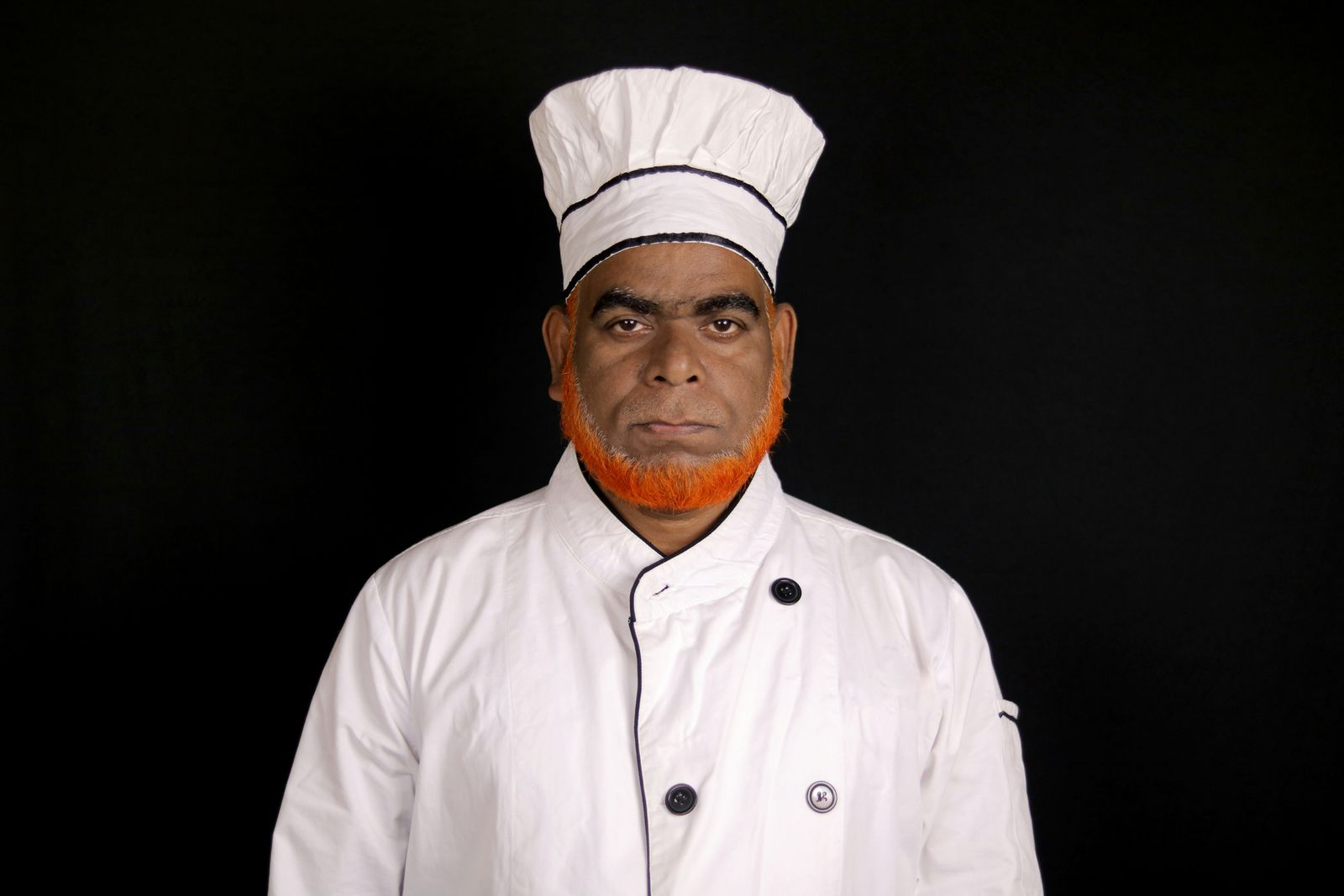
Chef coats and cook shirts
Bib aprons, waist aprons, and bistro aprons for servers and bartenders
Dishwasher and prep aprons
Kitchen pants in some programs
Side towels and kitchen towels that live alongside the uniforms
Each employee has a set number of garments in rotation, sized to their shifts per week, and the provider keeps that rotation stocked.
Why Kitchen Garments Need Commercial Cleaning
A chef coat at the end of a dinner service has been exposed to grease splatter, raw meat and seafood, sauces, sweat, and heat. Getting that clean and sanitary takes wash temperatures and detergents that residential machines are not designed to deliver. Commercial plants that process restaurant linen run formulas specifically built for this kind of soil, which is why professionally laundered coats come back looking and smelling the way they should.
The same applies to aprons on the floor. Wine, coffee, and food service stains set quickly, and a server’s apron that is washed at home on a cold cycle tends to look worn out within weeks.
What Changes on the Floor
Restaurants that move uniforms into their linen program usually notice a few things fairly quickly:
Staff show up in a clean, pressed garment every shift without anyone having to remind them.
The kitchen and dining room look uniform in the literal sense, which matters in an open kitchen or a room where guests can see the pass.
Managers stop fielding “I don’t have a clean coat” conversations at 4:30 on a Saturday.
Worn or damaged garments get pulled at inspection and replaced, so nobody is wearing a coat with a missing button or a frayed cuff.
Health Inspections and Uniforms
New York City health inspectors pay attention to employee hygiene and clean outer garments as part of a routine inspection. A cook in a visibly soiled coat is the kind of detail that can draw attention. Having a documented, scheduled uniform laundering program is a simple way to show that clean garments are a standard practice rather than a hope.
Making the Switch
Adding uniforms to an existing linen service is usually straightforward. The provider needs a headcount by role, sizes, and a rough idea of shifts per week, and from there they can set up the rotation. If you are already getting tablecloth and napkin deliveries, the uniforms ride along on the same route, with no additional delivery days.
Best Metropolitan Linen provides uniform and apron service for restaurants throughout the New York metropolitan area, laundered and delivered alongside your table linen. Contact us for a customized linen plan that covers the kitchen and the floor.

By paul
Ask a New York restaurant owner about their linen and most will talk about tablecloths and napkins. Ask a line cook and they will tell you about the chef coat they have been wearing for three shifts because the one they washed at home did not dry in time. Staff uniforms are the piece of the linen picture that most often gets left to chance, and the results tend to show up in the kitchen, on the floor, and in your reviews.
This post looks at why chef coats, aprons, and other staff garments belong in the same pickup-and-delivery program as your table linen, and what changes when you make that move.
The Problem With Home Laundering
The default approach in many restaurants is to hand out a couple of coats or aprons per employee and expect them to wash their own. In practice, this creates a handful of predictable issues:
None of these problems reflect badly on the employees. They reflect a system that puts the burden in the wrong place.
What Uniform Service Actually Includes
When staff garments are part of a linen rental service, they move through the same cycle as your tablecloths. Soiled coats and aprons go into a designated hamper at the end of the shift. The provider picks them up on the regular route, launders them at a commercial plant using formulas built for kitchen soil, inspects them, and delivers them back clean and pressed.
The garments typically covered include:
Each employee has a set number of garments in rotation, sized to their shifts per week, and the provider keeps that rotation stocked.
Why Kitchen Garments Need Commercial Cleaning
A chef coat at the end of a dinner service has been exposed to grease splatter, raw meat and seafood, sauces, sweat, and heat. Getting that clean and sanitary takes wash temperatures and detergents that residential machines are not designed to deliver. Commercial plants that process restaurant linen run formulas specifically built for this kind of soil, which is why professionally laundered coats come back looking and smelling the way they should.
The same applies to aprons on the floor. Wine, coffee, and food service stains set quickly, and a server’s apron that is washed at home on a cold cycle tends to look worn out within weeks.
What Changes on the Floor
Restaurants that move uniforms into their linen program usually notice a few things fairly quickly:
Health Inspections and Uniforms
New York City health inspectors pay attention to employee hygiene and clean outer garments as part of a routine inspection. A cook in a visibly soiled coat is the kind of detail that can draw attention. Having a documented, scheduled uniform laundering program is a simple way to show that clean garments are a standard practice rather than a hope.
Making the Switch
Adding uniforms to an existing linen service is usually straightforward. The provider needs a headcount by role, sizes, and a rough idea of shifts per week, and from there they can set up the rotation. If you are already getting tablecloth and napkin deliveries, the uniforms ride along on the same route, with no additional delivery days.
Best Metropolitan Linen provides uniform and apron service for restaurants throughout the New York metropolitan area, laundered and delivered alongside your table linen. Contact us for a customized linen plan that covers the kitchen and the floor.