Opening a restaurant in New York City means navigating permits, health inspections, staffing, and an endless list of operational details. One category that new restaurateurs frequently underestimate — or overlook entirely — is linen. From the tablecloths guests see the moment they sit down to the bar towels your staff burns through every shift, linen touches almost every part of your operation.
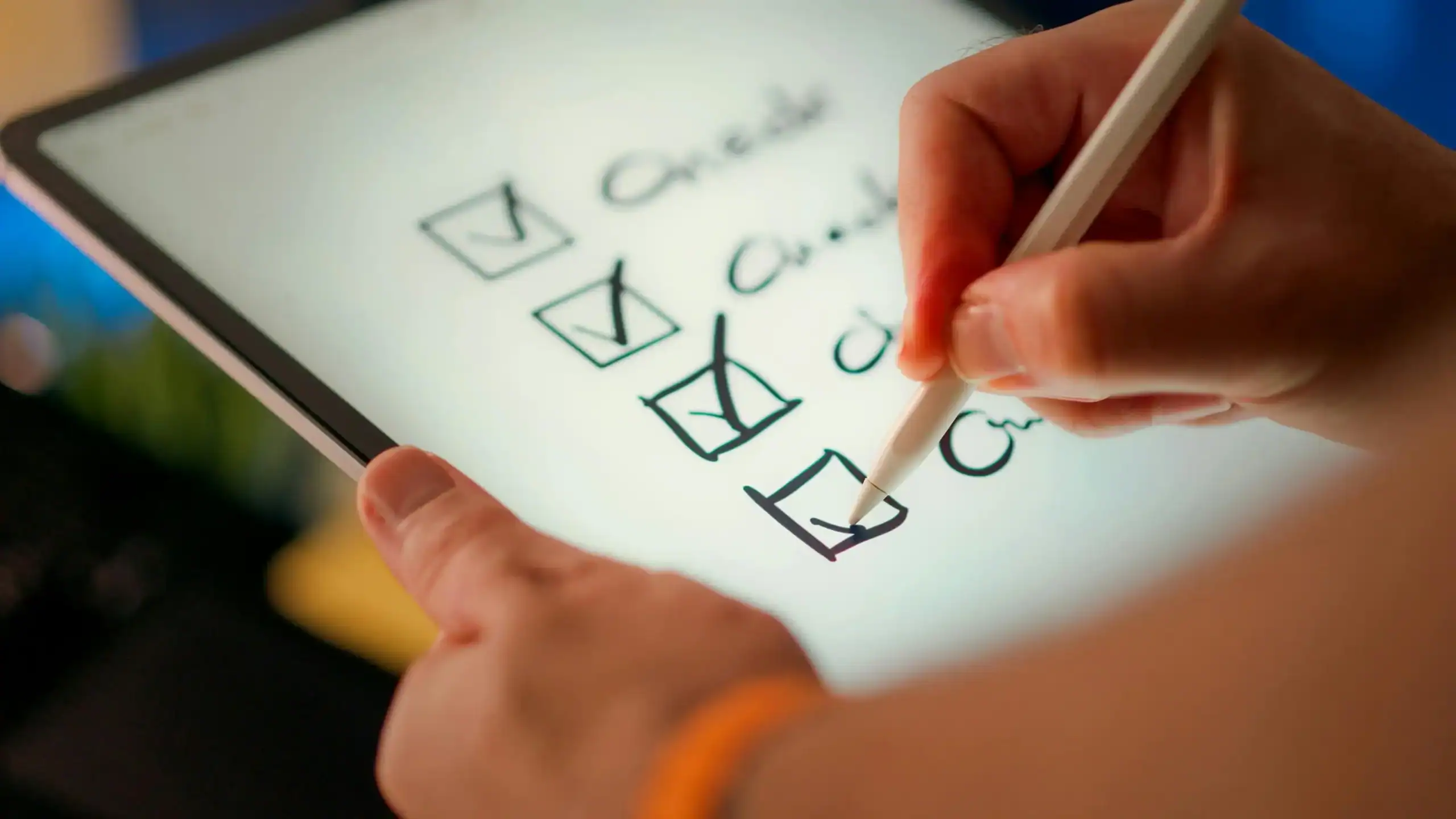
This checklist breaks down exactly what you need, how much of it to stock, and why partnering with a restaurant linen service in NYC is the most practical path forward for a new establishment.
Why Linen Deserves a Place on Your Opening Checklist
The NYC Department of Health conducts unannounced inspections of every permitted food establishment at least once a year. Inspectors look at sanitation practices, food handling procedures, and overall cleanliness — all areas where linen plays a direct role. Clean towels at handwashing stations, sanitary wiping cloths in the kitchen, and properly laundered uniforms all factor into compliance. Getting your linen program right from day one helps you stay inspection-ready and protects the guest experience at the same time.
The Complete Restaurant Linen Checklist
1. Dining Room Linens
These are the linens your guests interact with directly. They set the tone for the entire dining experience and should match your restaurant’s concept, whether that is fine dining, casual bistro, or modern farmhouse.
Tablecloths: You need a minimum of three par — meaning three complete sets for every table in the house. One set is in use, one is in the wash or in transit, and one is clean and ready as backup. For a 30-table restaurant, that means 90 tablecloths at minimum. If you run a high-volume lunch and dinner service, consider bumping to four par.
Napkins: Stock at a ratio of roughly 2.5 napkins per seat, per service period. A 100-seat restaurant running dinner only needs approximately 250 napkins on hand. Double-service restaurants should plan for 400–500. Napkin folds, if you use them, increase wear — factor that into replacement frequency.
Table runners and overlays: Optional, but useful for adding color or protecting base tablecloths from spills. If you use them, follow the same three-par rule.
Chair covers and sashes: Primarily relevant for banquet or event-oriented restaurants. If applicable, stock at seat count plus 15% for damage and rotation.
2. Kitchen and Back-of-House Linens
Back-of-house linen is where volume gets serious. Kitchen staff go through towels, side towels, and aprons at a pace that surprises most first-time owners.
Kitchen towels (bar mops): Budget 10–15 towels per cook per shift. A kitchen with four line cooks running a single dinner service needs 40–60 towels per night. These are used for wiping stations, handling hot pans, and general cleanup.
Side towels (service towels): Every front-of-house staff member should have at least two per shift. For a team of 12 servers, that is 24 side towels per service.
Aprons: Every kitchen and front-of-house employee who wears one needs a fresh apron each shift. Chef coats and aprons are the most visible indicator of kitchen cleanliness. Stock at two per employee per day, minimum.
Oven mitts and pot holders: Four to six per station, depending on your menu. Grill-heavy and bakery operations need more.
Dish towels and glass-polishing cloths: For restaurants that hand-polish glassware or silverware, plan for 20–30 lint-free polishing cloths per shift.
3. Restroom Linens
NYC requires that any restaurant with 20 or more seats (including outdoor) provide customer restrooms. Clean, well-stocked restrooms are a direct reflection of your overall operation.
Hand towels: Linen hand towels elevate the restroom experience significantly. For restaurants using cloth instead of paper, plan for 100–150 towels per day, per restroom, based on your cover count.
Floor mats: Anti-fatigue and absorbent mats near sinks and entryways reduce slip hazards and keep the restroom cleaner between service checks.
4. Bar Linens
Bar towels: Bartenders are heavy towel users. Stock 15–20 bar towels per bartender per shift.
Cocktail napkins: If you use cloth cocktail napkins, plan for a volume equal to twice your expected bar cover count per service.
Bar runner mats: Not technically linen, but often bundled into linen service programs. They protect the bar top and reduce glass breakage.
5. Uniforms
NYC Health Department rules require that anyone with a supervisory food safety role hold a Food Protection Certificate and be on-site during operations. While there is no citywide uniform mandate, clean and consistent staff attire communicates professionalism and hygiene to guests and inspectors alike.
Chef coats: Two per chef per day. White coats stain quickly, especially in high-volume kitchens.
Server shirts or polos: Two per server per day if provided by the restaurant.
Pants: If included in your uniform program, stock at two per employee with weekly rotation.
Hats and headbands: Required in many kitchen environments for food safety. Stock generously — they are inexpensive and wear out fast.
6. Specialty and Seasonal Linens
Banquet linens: If your restaurant hosts private events or large parties, keep a separate inventory of banquet-sized tablecloths (typically 90″ or 120″ rounds).
Outdoor dining linens: NYC’s Dining Out NYC program has expanded outdoor seating across the five boroughs. Wind, sun, and weather exposure mean outdoor linens take more abuse. Use heavier-weight fabrics or plan for faster rotation.
Holiday and seasonal accent linens: Optional, but useful for marketing. Colored napkins or runners for holidays can differentiate your dining room without a full redesign.
Linen Rental vs. Buying: What Makes Sense for a New NYC Restaurant
Purchasing your own linen inventory means a significant upfront capital expense — typically $5,000 to $15,000 or more depending on your seat count and concept. On top of that, you need commercial laundering (either in-house machines or a laundry service contract), storage space (already at a premium in NYC), replacement budgets for wear and damage, and staff time to manage inventory.
A linen rental service in New York eliminates most of those concerns. Your provider delivers clean linen on a set schedule, picks up soiled items, handles all laundering and quality control, and replaces damaged stock automatically. You pay a predictable weekly or monthly fee instead of absorbing unpredictable replacement costs.
For a restaurant that is already spending heavily on build-out, permits, staffing, and inventory, the rental model preserves cash and removes an operational headache from your plate during the most stressful phase of your business.
What to Look for in a Restaurant Linen Service in NYC
Not all linen providers are equal. When evaluating a restaurant linen service in NYC, here is what matters most:
Reliability and delivery consistency: A missed delivery on a Friday night is not an inconvenience — it is a crisis. Look for providers with dedicated routes in your borough or county, not national companies subcontracting locally.
Quality control standards: Ask about inspection processes. How many checkpoints does each item pass through before it reaches your door? Stains, tears, and off-color items should be caught before delivery, not by your staff during setup.
Flexibility: Your linen needs will change seasonally and as your business grows. A good provider adjusts quantities, adds or removes items, and works within your budget rather than locking you into rigid contracts.
Service area coverage: If your restaurant is in Manhattan, you need a provider that services Manhattan reliably. Same for Brooklyn, Queens, the Bronx, Staten Island, or the surrounding counties. Local providers with deep roots in the NYC metro area tend to outperform national chains on service consistency.
Industry experience: A provider that has worked with restaurants for decades understands the pace, the volume, and the stakes in a way that a generalist laundry company does not.
Quick-Reference Linen Par Levels
Use this as a starting framework. Your actual needs will vary based on service style, cover count, and menu complexity.
Item
Par Level (Per Unit/Per Shift)
Notes
Tablecloths
3× table count
4× for double service
Napkins
2.5× seat count per service
Double for lunch + dinner
Kitchen towels
10–15 per cook per shift
Higher for grill-heavy menus
Side towels
2 per server per shift
—
Aprons
2 per employee per day
BOH and FOH combined
Bar towels
15–20 per bartender per shift
—
Chef coats
2 per chef per day
White stains fast
Restroom hand towels
100–150 per restroom per day
If using cloth
Polishing cloths
20–30 per shift
Lint-free for glassware
Get Your Linen Program Set Before Opening Day
Linen is one of those operational categories that is easy to push to the bottom of the list when you are dealing with permits, construction, and hiring. But walking into your first service without enough tablecloths, towels, or uniforms creates exactly the kind of chaos you are trying to avoid.
Start the conversation with a linen provider at least 4–6 weeks before your target opening date. That gives you time to finalize quantities, schedule a delivery route, and do a trial run before you are serving real guests.
Best Metropolitan Linen has been providing restaurant linen service in NYC and the surrounding metro area since 1946. We work with restaurants of every size — from new openings to established institutions — with customized programs built around your specific needs and budget. Our 7-point quality control system means every item that reaches your door has been inspected, and our long-tenured team understands the pace and demands of NYC food service.
Request a free quote and let us help you check linen off your opening checklist.

By paul
Opening a restaurant in New York City means navigating permits, health inspections, staffing, and an endless list of operational details. One category that new restaurateurs frequently underestimate — or overlook entirely — is linen. From the tablecloths guests see the moment they sit down to the bar towels your staff burns through every shift, linen touches almost every part of your operation.
This checklist breaks down exactly what you need, how much of it to stock, and why partnering with a restaurant linen service in NYC is the most practical path forward for a new establishment.
Why Linen Deserves a Place on Your Opening Checklist
The NYC Department of Health conducts unannounced inspections of every permitted food establishment at least once a year. Inspectors look at sanitation practices, food handling procedures, and overall cleanliness — all areas where linen plays a direct role. Clean towels at handwashing stations, sanitary wiping cloths in the kitchen, and properly laundered uniforms all factor into compliance. Getting your linen program right from day one helps you stay inspection-ready and protects the guest experience at the same time.
The Complete Restaurant Linen Checklist
1. Dining Room Linens
These are the linens your guests interact with directly. They set the tone for the entire dining experience and should match your restaurant’s concept, whether that is fine dining, casual bistro, or modern farmhouse.
Tablecloths: You need a minimum of three par — meaning three complete sets for every table in the house. One set is in use, one is in the wash or in transit, and one is clean and ready as backup. For a 30-table restaurant, that means 90 tablecloths at minimum. If you run a high-volume lunch and dinner service, consider bumping to four par.
Napkins: Stock at a ratio of roughly 2.5 napkins per seat, per service period. A 100-seat restaurant running dinner only needs approximately 250 napkins on hand. Double-service restaurants should plan for 400–500. Napkin folds, if you use them, increase wear — factor that into replacement frequency.
Table runners and overlays: Optional, but useful for adding color or protecting base tablecloths from spills. If you use them, follow the same three-par rule.
Chair covers and sashes: Primarily relevant for banquet or event-oriented restaurants. If applicable, stock at seat count plus 15% for damage and rotation.
2. Kitchen and Back-of-House Linens
Back-of-house linen is where volume gets serious. Kitchen staff go through towels, side towels, and aprons at a pace that surprises most first-time owners.
Kitchen towels (bar mops): Budget 10–15 towels per cook per shift. A kitchen with four line cooks running a single dinner service needs 40–60 towels per night. These are used for wiping stations, handling hot pans, and general cleanup.
Side towels (service towels): Every front-of-house staff member should have at least two per shift. For a team of 12 servers, that is 24 side towels per service.
Aprons: Every kitchen and front-of-house employee who wears one needs a fresh apron each shift. Chef coats and aprons are the most visible indicator of kitchen cleanliness. Stock at two per employee per day, minimum.
Oven mitts and pot holders: Four to six per station, depending on your menu. Grill-heavy and bakery operations need more.
Dish towels and glass-polishing cloths: For restaurants that hand-polish glassware or silverware, plan for 20–30 lint-free polishing cloths per shift.
3. Restroom Linens
NYC requires that any restaurant with 20 or more seats (including outdoor) provide customer restrooms. Clean, well-stocked restrooms are a direct reflection of your overall operation.
Hand towels: Linen hand towels elevate the restroom experience significantly. For restaurants using cloth instead of paper, plan for 100–150 towels per day, per restroom, based on your cover count.
Floor mats: Anti-fatigue and absorbent mats near sinks and entryways reduce slip hazards and keep the restroom cleaner between service checks.
4. Bar Linens
Bar towels: Bartenders are heavy towel users. Stock 15–20 bar towels per bartender per shift.
Cocktail napkins: If you use cloth cocktail napkins, plan for a volume equal to twice your expected bar cover count per service.
Bar runner mats: Not technically linen, but often bundled into linen service programs. They protect the bar top and reduce glass breakage.
5. Uniforms
NYC Health Department rules require that anyone with a supervisory food safety role hold a Food Protection Certificate and be on-site during operations. While there is no citywide uniform mandate, clean and consistent staff attire communicates professionalism and hygiene to guests and inspectors alike.
Chef coats: Two per chef per day. White coats stain quickly, especially in high-volume kitchens.
Server shirts or polos: Two per server per day if provided by the restaurant.
Pants: If included in your uniform program, stock at two per employee with weekly rotation.
Hats and headbands: Required in many kitchen environments for food safety. Stock generously — they are inexpensive and wear out fast.
6. Specialty and Seasonal Linens
Banquet linens: If your restaurant hosts private events or large parties, keep a separate inventory of banquet-sized tablecloths (typically 90″ or 120″ rounds).
Outdoor dining linens: NYC’s Dining Out NYC program has expanded outdoor seating across the five boroughs. Wind, sun, and weather exposure mean outdoor linens take more abuse. Use heavier-weight fabrics or plan for faster rotation.
Holiday and seasonal accent linens: Optional, but useful for marketing. Colored napkins or runners for holidays can differentiate your dining room without a full redesign.
Linen Rental vs. Buying: What Makes Sense for a New NYC Restaurant
Purchasing your own linen inventory means a significant upfront capital expense — typically $5,000 to $15,000 or more depending on your seat count and concept. On top of that, you need commercial laundering (either in-house machines or a laundry service contract), storage space (already at a premium in NYC), replacement budgets for wear and damage, and staff time to manage inventory.
A linen rental service in New York eliminates most of those concerns. Your provider delivers clean linen on a set schedule, picks up soiled items, handles all laundering and quality control, and replaces damaged stock automatically. You pay a predictable weekly or monthly fee instead of absorbing unpredictable replacement costs.
For a restaurant that is already spending heavily on build-out, permits, staffing, and inventory, the rental model preserves cash and removes an operational headache from your plate during the most stressful phase of your business.
What to Look for in a Restaurant Linen Service in NYC
Not all linen providers are equal. When evaluating a restaurant linen service in NYC, here is what matters most:
Reliability and delivery consistency: A missed delivery on a Friday night is not an inconvenience — it is a crisis. Look for providers with dedicated routes in your borough or county, not national companies subcontracting locally.
Quality control standards: Ask about inspection processes. How many checkpoints does each item pass through before it reaches your door? Stains, tears, and off-color items should be caught before delivery, not by your staff during setup.
Flexibility: Your linen needs will change seasonally and as your business grows. A good provider adjusts quantities, adds or removes items, and works within your budget rather than locking you into rigid contracts.
Service area coverage: If your restaurant is in Manhattan, you need a provider that services Manhattan reliably. Same for Brooklyn, Queens, the Bronx, Staten Island, or the surrounding counties. Local providers with deep roots in the NYC metro area tend to outperform national chains on service consistency.
Industry experience: A provider that has worked with restaurants for decades understands the pace, the volume, and the stakes in a way that a generalist laundry company does not.
Quick-Reference Linen Par Levels
Use this as a starting framework. Your actual needs will vary based on service style, cover count, and menu complexity.
Get Your Linen Program Set Before Opening Day
Linen is one of those operational categories that is easy to push to the bottom of the list when you are dealing with permits, construction, and hiring. But walking into your first service without enough tablecloths, towels, or uniforms creates exactly the kind of chaos you are trying to avoid.
Start the conversation with a linen provider at least 4–6 weeks before your target opening date. That gives you time to finalize quantities, schedule a delivery route, and do a trial run before you are serving real guests.
Best Metropolitan Linen has been providing restaurant linen service in NYC and the surrounding metro area since 1946. We work with restaurants of every size — from new openings to established institutions — with customized programs built around your specific needs and budget. Our 7-point quality control system means every item that reaches your door has been inspected, and our long-tenured team understands the pace and demands of NYC food service.
Request a free quote and let us help you check linen off your opening checklist.